
Horse Laminitis
Risk Scorer
Assess your horse's laminitis risk across breed, diet, body condition, seasonal factors, and hormonal disease. Get a personalised risk score and prevention plan designed by an equine vet.
Horse profile
Breed and age are key laminitis risk factors.
Diet & body condition
Diet and weight are the most modifiable laminitis risk factors.
Rate your horse's body condition on a scale of 1–9 (1 = emaciated, 5 = ideal, 9 = obese). Feel the ribs — if you can't feel them easily, your horse is overweight.
A cresty neck (fat deposit along the crest of the neck) is a key sign of Equine Metabolic Syndrome.
Management & seasonal factors
How your horse is managed significantly affects laminitis risk.
Health history
Previous laminitis and hormonal conditions significantly increase risk.
Get your risk score by email
We'll email your personalised laminitis risk assessment and prevention plan.
Your Laminitis Risk Assessment
Your personalised risk score and prevention plan has been emailed to you.
Equine Laminitis — A Complete Guide for Horse Owners
Laminitis is one of the most feared and misunderstood conditions in equine medicine. It is the second leading cause of death in horses after colic, yet many cases are preventable with the right management. Understanding the risk factors and early warning signs is the most powerful tool a horse owner can have.
What Is Laminitis?
Laminitis is an inflammation of the sensitive laminae — the interlocking tissue that connects the pedal bone (coffin bone) to the inner hoof wall. When the laminae become inflamed, blood flow is disrupted, and the bond between the pedal bone and hoof wall weakens. In severe cases, the pedal bone can rotate downward or sink vertically within the hoof capsule — a condition known as founder. This is exquisitely painful and can be permanently debilitating.
The Main Causes of Laminitis
🌱 Pasture-Associated Laminitis
The most common cause. Triggered by high non-structural carbohydrate (NSC) content in grass — particularly during spring flush, autumn regrowth, after frost, or during drought stress. At-risk horses should have restricted pasture access during these periods.
🩸 Equine Metabolic Syndrome (EMS)
Insulin dysregulation causes abnormal laminar blood flow. EMS horses are often overweight with a cresty neck and fat pads. Diagnosed by blood testing. Managed with strict diet, exercise, and in some cases medication.
🧠 PPID / Cushing's Disease
A pituitary tumour causing elevated ACTH and insulin resistance. Most common in horses over 15 years. Signs include a long curly coat, muscle wasting, pot belly, and increased drinking/urination. Managed with pergolide medication.
⚡ Systemic / Supporting Limb
Laminitis can also be triggered by systemic illness (retained placenta, severe colic, grain overload, Potomac horse fever) or by overloading a limb when the opposite limb is injured. These cases require intensive veterinary management.
Laminitis Risk by Breed
| Breed | Inherent Risk | Primary Reason | Key Management Strategy |
|---|---|---|---|
| Native ponies (Welsh, Shetland) | Very High | EMS predisposition, evolved for sparse forage | Strict pasture restriction, low NSC diet |
| Warmbloods | High | EMS predisposition | Maintain ideal BCS, monitor insulin |
| Quarter Horse / Paint | Moderate-High | EMS predisposition | Weight management, pasture restriction |
| Arabian | Moderate | Insulin sensitivity | Monitor diet during high-risk seasons |
| Thoroughbred | Lower | Less EMS predisposition | Standard management; still at risk from systemic causes |
| Standardbred | Lower | Less EMS predisposition | Standard management; still at risk from dietary or systemic triggers |
| Stock Horse | Lower | Less EMS predisposition | Standard management; monitor diet and body condition |
Frequently Asked Questions About Horse Laminitis
Answers to the most common questions horse owners ask about laminitis prevention and management.
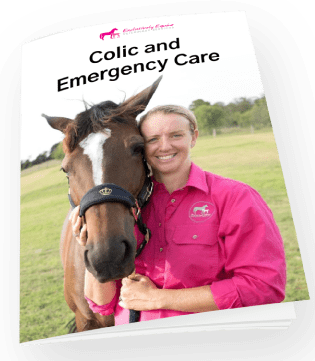
Want to be ready for any horse emergency?
The DIY Horse Vet course by Dr. Louise covers colic, wounds, foaling emergencies, eye injuries and more — giving you the knowledge to act confidently before the vet arrives.
Explore the DIY Horse Vet Course →